
Luminox: Can you tell us a bit about yourself, where you’re from, and what led you to lifeguarding and fitness?
Noah: My life in aquatics began in infancy and continued throughout my youth. Early on, the goal was simple. Become a strong swimmer. Growing up in a province with over 250,000 lakes and spending a lot of time at the beach, my parents wanted to ensure I could always stay afloat. Much of my childhood was spent in the pool taking lessons.
In 2014, I chose to advance my training and enrolled in courses that led to my lifeguarding certification. Around that same time, Ironman triathlon DVDs sparked something in me. They created an addiction to endurance and a passion for running. In 2016, I was inspired by Chris McCormack, along with YouTube-sourced HIIT-style workouts that have remained a staple in my training ever since.
Luminox: What does a typical day look like for you between your work in aquatics and your training routine?
Noah: It depends heavily on the season. In Canada, we have snow from November through March, so I balance outdoor hikes and ruck hikes with indoor training. Moving through snow and ice slows you down, which makes it ideal for focusing on heart rate zones and building aerobic capacity during the non-racing season. This makes it easier to increase mileage in the spring.
I prefer training early. Getting a gym session done before work allows you to tackle personal goals first. The mental clarity that comes from training while the world is quiet is powerful. It is a daily win that is fully within your control. Leaving training for the evening, when work and family demands stack up, often leads to missed sessions.
Typically, I run three times a week or more, mixing base runs with longer distances. Strength training rotates weekly and includes shoulders, core, arms, chest, back, and legs. I am not a fan of two or three hour gym sessions. I prefer shorter, high-intensity workouts that incorporate multiple muscle groups. It is practical, sustainable, and fits my lifestyle.
Some sessions focus purely on mental conditioning. Push-ups every minute for an hour. The Murph challenge. Hill climbs with weighted vests. Pyramid-style workouts where reps climb from one to thirty and back down while alternating exercises such as pull-ups and push-ups. Training the mind to endure discomfort and adapt has been crucial for race performance, especially in long events where suffering is inevitable.
Luminox: As someone in a leadership role within aquatics, how do you see your work impacting others?
Noah: Aquatics demands professionalism. Posture, body language, and interactions with guests shape public perception. Being an effective instructor and lifeguard while fostering team growth requires constant balance.
Calmness paired with awareness is critical. Responsibility rests on us at any moment. When mentoring staff with limited experience, judgment becomes the foundation of success. The ability to assess and adapt quickly often determines the outcome of a rescue.
Judgment takes time to develop. It cannot be purchased or handed out in a manual. Leaders must allow staff to make decisions, learn through experience, and take ownership. I constantly ask myself whether what I am doing adds value to the team.
A strong leader mentors others to grow beyond them. That begins with teaching and investing in the next generation.
Luminox: What motivated you to dedicate yourself to lifeguarding and helping others in high-pressure environments?
Noah: My parents strongly influenced my entry into aquatics. Although I never swam competitively, I completed each level with integrity. At 14, I decided to pursue my National Lifeguard certification.
Growing up, I struggled with certain pronunciations and avoided public speaking. Lifeguarding requires constant communication, which is central to accident prevention. With aspirations of a policing career, I knew I had to confront those fears. Building confidence in communication became a pivotal stage in my life.
Lifeguarding sits within the first responder realm. Weeks of calm can pass before disaster strikes. In those moments, pressure, multitasking, and delivering effective care are heavily scrutinized. The consequences of failure in this profession are far greater than in most careers.
You accept that someone’s life may rest in your hands. That reality shapes your lifestyle. It demands maintained fitness, sharpened skills, and mental readiness. Caring for others has always been part of who I am, and lifeguarding became a natural extension of that calling.
Luminox: How do you bring that same mindset into Spartan races?
Noah: Lifeguards are observers. We constantly evaluate environments, weather conditions, swimmer ability, medical risks, and positioning. That awareness transfers directly into racing.
In ultra and Spartan races, athletes hit walls. Elevation, mud, temperature shifts, hydration, and nutrition all wear you down. Awareness and adaptability are essential both to save a life and to finish a race.
Preparation means daily exposure to stress. Storms arrive unexpectedly in life and on course. Progress requires embracing a lifestyle that is different from the norm and consistently doing what most people avoid.
Luminox: What are some of the biggest challenges you’ve faced?
Noah: Certain non-swimmer rescues and non-breathing victims remain vivid in my memory. My first major rescue in 2018 still resurfaces at times. Seeing a lifeless boy, hearing distant sirens, and running down the beach with a first aid kit left a lasting imprint.
Spartan races have tested me physically through fatigue, dehydration, and muscle strain. Training staff for long waterfront seasons in cold water and wind is equally demanding.
First responder work carries psychological weight. Public expectations are constant. Even when everything is executed correctly, internal turmoil can remain. Those moments reinforce gratitude for life and the responsibility we carry.
Luminox: How do you push through difficult moments when both your body and mind are under stress?
Noah: Experience is my anchor. After nearly a decade in aquatics, patterns repeat. Similarities in victim condition, environment, or team dynamics guide decision-making. Managing team energy is essential. Calm during minor incidents. Urgency during major ones. Ownership always falls on leadership.
In racing, suffering is inevitable. Training is non-negotiable. The mind ultimately determines limits. I incorporate ice baths, long runs, and challenging workouts to strengthen resilience. Storms pass, but character remains.
Luminox: What keeps you resilient and focused when things get tough?
Noah: I look for calm at home and challenge in competition. Modern fitness often leans on comfort such as music, supplements, and distraction. I avoid these during training. In difficult moments, I go inward. I reflect on my ancestors and the hardships they endured. I carry that responsibility with me. Life is short. I have today.
When climbing mountains, literal or metaphorical, quitting is not an option. Strength and leadership are not only for me. They are for my family and for those who may one day depend on me.
Luminox: How has your work influenced your community?
Noah: A mentor once introduced a teaching experiment inspired by osmosis. Select students were given specific instructions during first aid simulations. Others observed. Those who genuinely wanted to improve paid close attention and applied what they saw.
Only those who desire change will change.
Leadership means adapting your life for growth and allowing others to witness it. Seeds planted daily may inspire someone when you least expect it.
Luminox: Have you seen others adopt a similar mindset?
Noah: I have had many discussions about fitness, discipline, and mindset with colleagues and members of the public. At a recent facility, staff even created a Brawn Award for dedication, fitness, and leadership. That meant more than recognition. It signified a cultural shift.
Influence is gradual. People begin attending the gym more regularly. Friends explore new interests. Individuals challenge themselves in ways they once avoided. You can either build fires in others or extinguish them.
Running began brutally in 2016. I had no plan or tracking, just effort. Injuries followed. Discovering Spartan Racing in 2019 gave direction and structure. My first 21 kilometre Beast race in Blue Mountain in 2022 tested everything. I pushed hard from the start and nearly broke late in the race. Although I faded near the end, I returned the next day and secured first place in the 10 kilometre event. That weekend taught me maturity and perspective.
Over the past decade, fitness has required rebalancing mobility, nutrition, patience, and recovery. The brain is the true limiter. Each season presents a new ceiling to break, and I welcome that challenge.
Luminox: What advice would you give to others who want to challenge themselves?
Noah: Your life will never be perfectly aligned before you begin. Start anyway. Waiting for the ideal moment leads nowhere. Real change happens when conditions are uncomfortable. If you commit to daily effort, tomorrow builds naturally from today. Some people will not join you on that path. That is part of growth. Surround yourself with disciplined individuals who push you forward when you feel like quitting. Seek discomfort. Stay physically fit. Someone may depend on you one day.
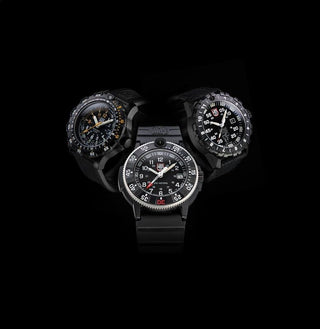
Noah's Pick: Master Carbon Seal Automatic, 45 mm, Military Dive Watch - 3877